The best Pokémon cards to grade
The best cards to grade aren't a fixed top-10 list — they're cards that meet specific criteria around value spread, condition, demand, and margin. This page teaches you the framework, then hands you a tool that surfaces live opportunities ranked by ROI.
What makes a Pokémon card worth grading
Every profitable submission shares the same set of traits. Learn the seven, and you'll never need a "top cards" listicle again.
Wide raw-to-graded spread
The price gap between the raw card and a recent PSA 10 sale is the headline number. Wider spreads cover fees and leave room for risk.
Realistic grade upside
A card you can plausibly send in and receive a PSA 9 or 10 — not a copy with obvious whitening that you're hoping graders miss.
Strong PSA 9 and PSA 10 sale prices
Recent sold comps from the last 30–90 days. Old high sales don't pay you. Active, repeated sales do.
Real collector demand
Iconic Pokémon, popular sets, and recognizable artwork move faster. Niche commons sit on listings for months.
Healthy market liquidity
Weekly graded sales mean you can exit when you want to, not when the market lets you.
Acceptable downside
If a worst-case PSA 8 still returns most of your cost, the trade is rational. If PSA 9 loses money, the bet is fragile.
Margin after every fee
Grading fee, shipping both ways, and ~13% selling fees. Profit must survive all of them — not just the headline spread.
Categories that often produce strong grading candidates
These groups consistently show the traits above. Specific cards within each category change as the market moves — always validate with live data.
Vintage chase cards
Base Set, Jungle, Fossil, Neo holos, and 1st Edition rarities. Strong PSA premiums even at PSA 8 and 9, and decades of collector demand. Condition sensitivity is high — clean copies are rare.
Examples: Holo rares from WOTC-era English sets · 1st Edition print runs
Popular modern alt arts
Special Illustration Rares, full arts, and alt arts from Sword & Shield and Scarlet & Violet eras. Wide PSA 10 premiums on chase cards from sets that the community actually pulls.
Examples: Alt arts and SIRs from popular booster sets
Cards with strong PSA premium
Look for a 5x–10x+ multiplier between raw and PSA 10. The bigger the multiple, the more cushion you have for fees and slightly lower grades.
Examples: Iconic Pokémon (Charizard, Pikachu, Mew, Lugia) in chase variants
Condition-sensitive surfaces
Cards where most copies in the wild have flaws — meaning a clean copy is genuinely scarce. Holo Charizards, foil-heavy modern art, and full-bleed designs reward careful pulls.
Examples: Heavy holo patterns, textured foils, full-art borderless prints
Cards with strong demand and liquidity
Recognizable Pokémon from popular sets with consistent weekly sold listings. Liquidity is what turns a paper profit into a real one.
Examples: Top-tier chase cards with multiple sales per week on eBay
Categories listed are illustrative. Specific cards are not endorsed — always check live market data before submitting.
Cards that are usually bad grading candidates
Knowing what to skip saves more money than knowing what to submit. Five patterns to walk away from.
Low-value bulk
If the raw card is worth $2 and the PSA 10 sells for $25, fees alone wipe out your margin. Bulk is bulk for a reason.
Weak PSA premium
Cards where PSA 10 prices sit just above raw. Common on overprinted modern sets — even a perfect grade barely covers costs.
Visible condition issues
Edge whitening, surface scratches, off-center prints, or print line defects. PSA grades exactly what graders see — be honest with yourself.
Low-demand cards
If you can't find a PSA sale in the last 30 days, you can't sell yours either. Demand is part of the math.
PSA 9 and raw too close
When PSA 9 ≈ raw, you need a perfect 10 to make money. Anything less is a loss. Avoid bets that only work on the best-case outcome.
How to find better grading opportunities
Six steps from card name to confident submit-or-skip decision.
Check the raw market price
Pull the live TCGPlayer market price for the exact card and printing you have. Use the actual sold-area price, not the list price.
Pull recent PSA 8, 9, and 10 sales
Look at sold listings from the last 30–90 days. You want a real range, not a single anomaly sale.
Add up your true grading cost
Submission fee + shipping to PSA + return shipping + selling fees. Grade Hunter standardizes this at $75 all-in for fair comparison.
Estimate the realistic grade
Be honest about condition. Modern PSA 10 rates often sit at 30–60%. Vintage rates are typically much lower.
Compare upside to downside
Profit at PSA 10 is the upside. Loss at PSA 8 is the downside. The trade has to make sense across both.
Submit the cards with margin
If the math holds at PSA 9 with PSA 10 as upside, submit. If it only works at PSA 10, walk away.
Why use Grade Hunter to find candidates
The framework above is the right one. Running it on every card you consider is the hard part. Grade Hunter does the math.
Raw vs PSA on one screen
Live raw prices and recent PSA sales, side by side. No tab switching, no spreadsheets.
Browse cardsTrending opportunities leaderboard
A live ranking of the highest-ROI cards on the market today, ordered by net dollar profit after fees.
Open leaderboardOpportunity Score
Every card gets a 0–100 score combining spread, liquidity, and price stability. Compare candidates instantly.
See top scoresWatchlist for promising cards
Save candidates, monitor price moves, and submit when the spread widens — not when you're guessing.
Open watchlistReal cards that fit the criteria
Real cards from the Grade Hunter database that pass the framework above. ROI uses a $75 grading cost and a 13% selling fee. These are examples — open each card for live, up-to-date market data.
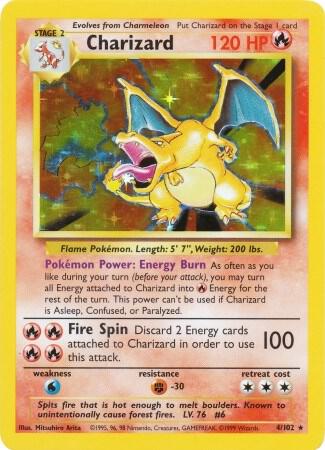
Iconic vintage holo with massive PSA 10 spread. Even a PSA 9 prints multiples of raw — strong downside protection.
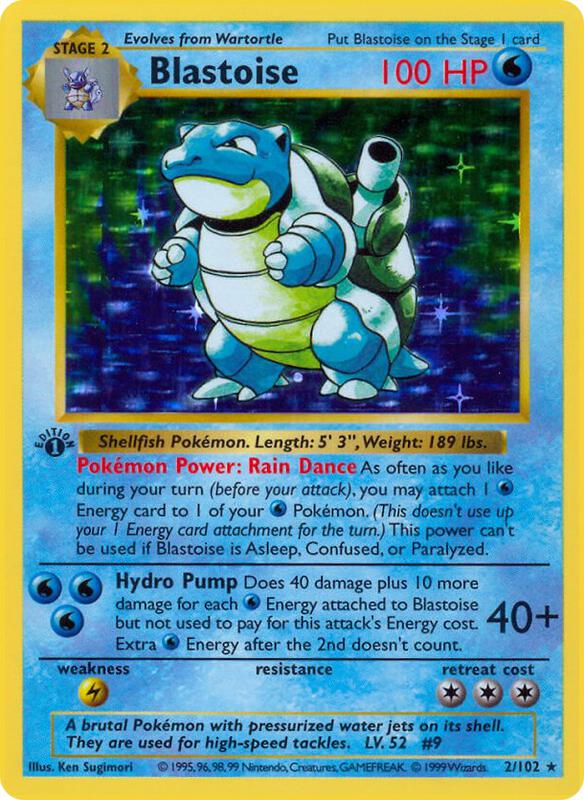
Even a PSA 9 outcome clears strong profit. The PSA 10 is the upside — not the entire bet.

Condition-sensitive holo with ferocious PSA 10 demand. Centering and surface drive everything.
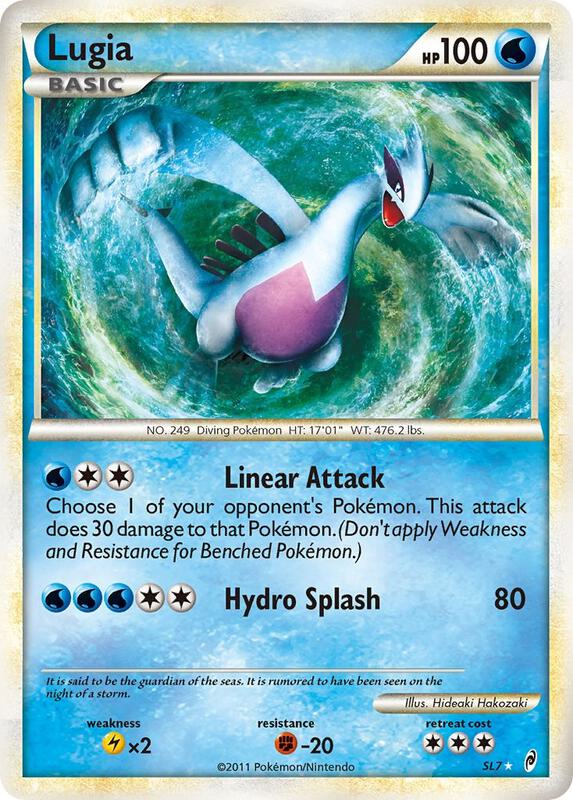
Shiny holos scratch easily — gem rate matters. Even PSA 9 is very profitable here.
Best cards to grade — common questions
Find better grading opportunities — with data, not guesses
Search any Pokémon card to see raw vs PSA prices and live ROI, or jump straight to today's top-ranked opportunities.