Pokémon Card Grading Calculator
Find out if a Pokémon card is worth grading before you spend a dollar on PSA fees. Grade Hunter compares live raw prices to recent PSA 9 and PSA 10 sales, runs the ROI math, and tells you whether to submit, watch, or skip.
35,000+ English Pokémon cards · Live TCGPlayer + eBay data · Updated daily
How to tell if a Pokémon card is worth grading
A Pokémon card is worth grading when the recent PSA sale price minus your all-in cost (grading fee, shipping, and marketplace fees) leaves a meaningful profit margin, and when the card has enough sales volume that you can actually exit the position.
The five inputs that matter: raw price, grading cost (Grade Hunter standardizes on $75 all-in), likely grade outcome, PSA 9 and PSA 10 sale prices, and profit margin after fees. The calculator runs that math on real market data so you stop guessing.
How the grading calculator works
Five steps from card name to grading decision, powered by live market data.
Search the card
Type a card name, set, or number. We pull live raw market prices from TCGPlayer and recent PSA sold sales from eBay across PSA 8, 9, and 10.
Review raw vs PSA prices
See the raw market price next to recent PSA 9 and PSA 10 sales side by side. The spread is the headline number — wider spreads mean more room for profit.
Apply grading and selling costs
We standardize on a $75 all-in grading cost (fee + shipping + selling fees) so every card is compared on the same basis. You can model alternate scenarios in the calculator.
Read the ROI and Opportunity Score
Get a clear net profit figure at PSA 9 and PSA 10, plus a 0–100 Opportunity Score that factors in spread, liquidity, and price stability so you can compare cards in seconds.
Decide with confidence
Use the data to send strong candidates to grading and skip the marginal ones. Save promising cards to your watchlist to monitor before submitting.
What makes a Pokémon card worth grading
The same six factors show up on every profitable submission. Grade Hunter scores all of them automatically.
Market value spread
The raw-to-PSA-10 gap is the single biggest driver. A $5 raw card that sells for $200 graded has room for fees and risk. A $15 raw card that sells for $40 graded usually does not.
Condition sensitivity
Modern holos with sharp corners and clean surfaces are more likely to grade gem mint. Cards prone to whitening, scratches, or print lines carry more downside risk.
Recent sales strength
Look at sold comps from the last 30 to 90 days, not the asking price. A handful of recent PSA sales at strong prices is a much better signal than a single old high sale.
Grade upside
Some cards have enormous PSA 10 premiums but flat PSA 9 prices. Others pay reasonably at PSA 9. Knowing the curve before you submit is what separates investors from gamblers.
Liquidity and demand
A card with weekly sales volume is easy to exit. A card with one sale per quarter is a position you may hold longer than expected.
Downside risk
What happens if you only get a PSA 8? If the PSA 8 price is below your all-in cost, the worst case is a real loss. Always model the floor, not just the ceiling.
Why use Grade Hunter instead of guessing
Manual research takes 20 minutes per card across three browser tabs. Grade Hunter takes seconds and is built on the same data sources you would check anyway.
Guessing manually
- • Open TCGPlayer for raw price
- • Search eBay sold for PSA 9 and PSA 10 separately
- • Mentally subtract fees and shipping
- • Hope you remembered to check sales volume
- • Repeat for every card you consider
Using Grade Hunter
- • Search the card by name or number
- • Raw, PSA 9, PSA 10 prices on one screen
- • Net profit and ROI calculated automatically
- • Opportunity Score, sales volume, and trend signals
- • Save to watchlist and track changes
Real cards, live grading math
Three real cards from the Grade Hunter database. All ROI uses a $75 all-in grading cost and a 13% selling fee. Click any card to open its live page with full market data.
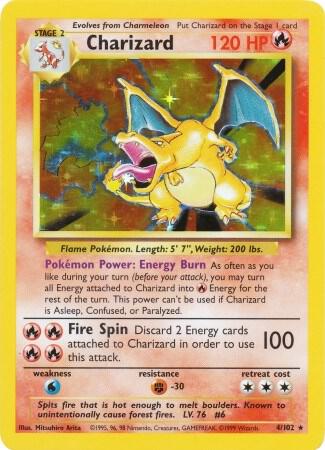
Iconic vintage holo with massive PSA 10 spread. Even a PSA 9 prints multiples of raw — strong downside protection.
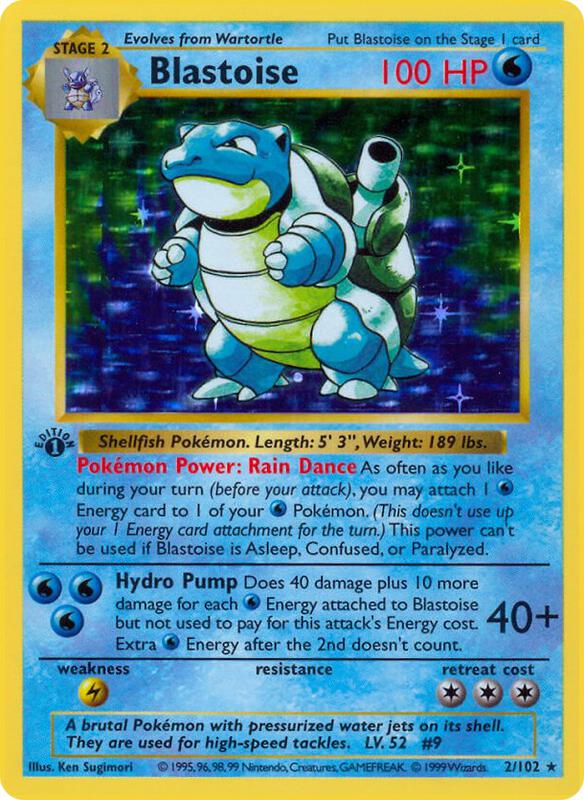
Even a PSA 9 outcome clears strong profit. The PSA 10 is the upside — not the entire bet.
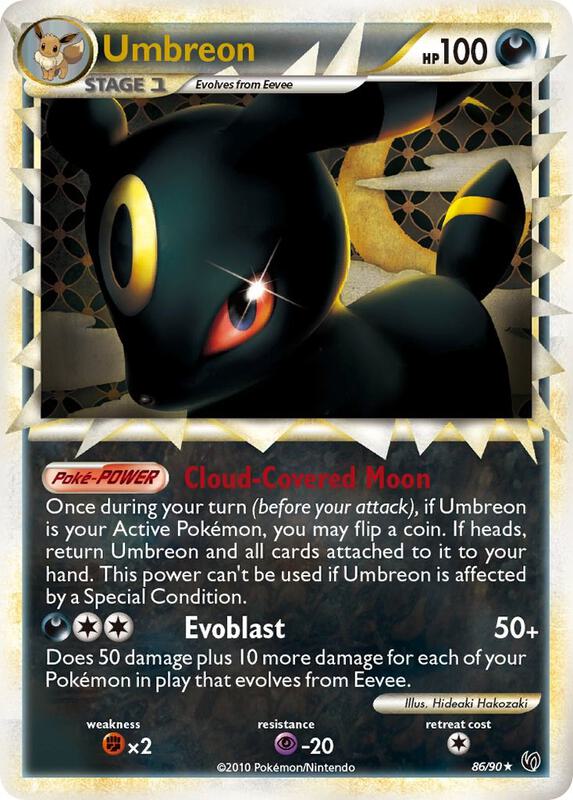
Condition-sensitive holo with ferocious PSA 10 demand. Centering and surface drive everything.
Everything you need to make grading decisions
The calculator is one piece. The full platform gives you live data, market signals, and tracking.
Raw vs PSA comparisons
Live raw prices from TCGPlayer paired with recent PSA 8, 9, and 10 sold sales from eBay. The full picture, on one screen.
Browse cardsROI and profit analysis
Net profit, percentage ROI, and confidence indicators so you can decide instantly whether a card clears the bar.
See top opportunitiesTrending opportunities
A live leaderboard of the highest-ROI cards on the market today, ranked by dollar profit potential after fees.
Open leaderboardMarket signals
Trend Index scoring for rising, peaking, and cooling cards, built from sales velocity and price momentum.
Explore signalsWatchlist tracking
Save cards you are considering and monitor price moves and Opportunity Score changes over time.
Open watchlistDecision support, not hype
Conservative assumptions, transparent inputs, and clear confidence indicators when data is thin.
See plansHow we calculate ROI — and what we don't promise
Raw prices come from TCGPlayer live market data. PSA 8, 9, and 10 prices come from recent eBay sold listings. We update prices daily and surface confidence indicators when a card has limited sales history.
ROI calculations assume a $75 all-in grading cost covering submission, shipping both ways, and standard marketplace selling fees. We use this single conservative figure across the whole site so cards stay comparable.
A grading calculator is decision support, not a guarantee. Real outcomes depend on the actual grade you receive, market timing, and buyer demand at the moment you sell. Use Grade Hunter to eliminate the obvious bad bets and focus on the opportunities where the math actually works.
Pokémon card grading questions, answered
Straight answers to the questions collectors ask most.
Stop guessing. Start grading the right cards.
Search any Pokémon card and see the raw vs PSA math in seconds. Free to try, no signup required to run a calculation.